Rubbish removal Canary Wharf insider tips for tenants
Posted on 19/06/2026

If you rent in Canary Wharf, rubbish can become a strangely stressful part of life. One minute it is a broken chair by the door, the next it is a lease reminder, a lift booking, and a very awkward glance from the concierge. The good news? Rubbish removal Canary Wharf insider tips for tenants are mostly about planning ahead, knowing what your building expects, and choosing the right disposal method for the job.
Whether you are moving out, doing a flat clear-up after a long tenancy, or just trying to stop clutter from building up in a compact apartment, the right approach saves time and helps you avoid unnecessary fees. In this guide, we will walk through what works, what does not, and the small tenant-level details that often make the biggest difference. To be fair, it is rarely about having more rubbish. It is about handling it more cleverly.
- Why it matters
- How rubbish removal works
- Key benefits and practical advantages
- Who this is for and when it makes sense
- Step-by-step guidance
- Expert tips for better results
- Common mistakes to avoid
- Tools, resources and recommendations
- Law, compliance, standards, or best practice
- Options, methods, or comparison table
- Case study or real-world example
- Practical checklist
- Conclusion
- Frequently asked questions
Why Rubbish removal Canary Wharf insider tips for tenants Matters
Canary Wharf living is tidy on the surface, but tenants know the reality can be a bit more complicated. Buildings are often managed carefully, communal spaces are tight, and there is usually limited tolerance for leaving bags in corridors, bin stores, or service areas. That means rubbish disposal is not just a housekeeping issue. It is a tenancy issue, a neighbour issue, and sometimes a deposit issue.
Insider tips matter because tenants are usually working around a mix of constraints: lift access, porter hours, loading bay rules, waste room capacity, and building management expectations. You may also be dealing with awkward items like an old mattress, flat-pack packaging, broken furniture, or a few bags left over after a move. None of that is unusual. But if it is handled badly, it can become expensive and annoying very quickly.
There is also a practical side. When rubbish is dealt with properly, the flat feels calmer straight away. You notice it in the silence of an uncluttered room, in the lack of cardboard stacked by the hallway, in the simple ease of walking from the kitchen to the lounge without stepping over something. Not glamorous, maybe. Still important.
For tenants who want broader local context, it can also help to understand how life in Docklands works day to day. Articles like living in Docklands with local insight and the Docklands property market give useful background on the kind of homes and building rules people often deal with around here.
How Rubbish removal Canary Wharf insider tips for tenants Works
At tenant level, rubbish removal usually falls into one of four routes: use the building bins correctly, book a collection service, hire a skip, or arrange a larger clearance for bulkier items. The right choice depends on how much waste you have, what kind of waste it is, and how quickly it needs to go.
In a Canary Wharf apartment, the first thing to check is always the building's own waste setup. Some developments are strict about bin rooms, recycling separation, and access times. Others have compact storage that fills up faster than you would expect, especially after a move or a new furniture delivery. If you simply take everything to the bin room at once, you may create more problems than you solve. That part is a bit boring, yes, but it matters.
Here is the basic logic most tenants should follow:
- Separate reusable, recyclable, and general rubbish.
- Check whether the item fits the building's bins or refuse point rules.
- Decide whether the waste is light, bulky, or mixed.
- Choose a collection method that suits the volume and access conditions.
- Book disposal early enough to avoid last-minute corridor clutter.
For mixed waste or bigger clear-outs, a dedicated service such as rubbish clearance in Docklands or rubbish collection in Docklands is often more practical than trying to move items in stages. If you are dealing with furniture, it may make more sense to look at furniture disposal support instead of doing multiple trips yourself.
Another thing tenants often overlook is access. A service that is fine for a house can be awkward in a high-rise if there are loading restrictions, concierge sign-ins, or narrow lift timings. That is why knowing how your building works is half the battle.
Key Benefits and Practical Advantages
The obvious benefit is less mess. But in practice, the advantages go further than that. Good rubbish removal can protect your deposit, reduce stress during a move, and keep your landlord or managing agent onside. In a rental market where people notice details, that is worth a lot.
There are also a few less obvious benefits that experienced tenants come to appreciate:
- Faster move-outs: if the flat is already sorted, check-out feels less frantic.
- Cleaner inspections: fewer loose items and no hidden rubbish in cupboards or balconies.
- Better use of space: especially useful in compact Docklands apartments where storage is precious.
- Lower risk of complaint: no one wants a note from building management about waste left in a shared area.
- More recycling options: separating items properly can support more responsible disposal.
For tenants who are staying long-term, regular waste discipline is just as useful. It prevents the classic "I'll sort it out later" pile that slowly becomes a second furniture set. We have all seen it. A box beside the sofa, a lamp in the corner, a half-empty bag near the wardrobe. Then somehow, three months have passed.
If you are trying to make greener choices while disposing of unwanted items, it is worth reading the site's guidance on recycling and sustainability. It helps frame disposal as more than just bin-day convenience.
Who This Is For and When It Makes Sense
This advice is especially useful for tenants in apartments, maisonettes, and managed blocks where access and communal rules matter. But honestly, it also helps anyone renting in or around Canary Wharf who wants less hassle and fewer surprises.
You will probably need a smarter rubbish removal plan if you are:
- moving out and need the property cleared quickly;
- moving in and want to get rid of old items before unpacking;
- replacing furniture, mattresses, or appliances;
- sharing a flat and coping with mixed recycling habits;
- dealing with bulky packaging after deliveries;
- tidying a balcony, storage cupboard, or loft-style area;
- sorting out waste after a small office or work-from-home setup change.
For a few bin bags, the building waste room may be enough. For a sofa, desk, old wardrobe, or a post-tenancy cleanout, it often is not. A bigger clear-out can become physically awkward, especially if lifts are busy or the item will not fit neatly through the hallway. That is when a proper collection plan saves the day.
There is a parallel here with other Docklands property use-cases too. Landlords, leaseholders, and business tenants sometimes end up comparing apartment clearances with office clearance in Docklands or house clearance support because the underlying issue is the same: too much stuff, not enough time, and a need to remove it properly.
Step-by-Step Guidance
If you want the process to feel manageable, work through it in stages. Rushing is usually what creates the messiest outcome. A calm, staged approach sounds dull, but it works.
- Walk through the property first. Check each room, cupboard, balcony, and storage nook. You will always find one extra thing. Usually two.
- Sort into clear categories. Keep recycling, donation-worthy items, general rubbish, and bulky waste separate where possible.
- Check your building rules. Look at bin room access, lift booking requirements, delivery restrictions, and any porter or concierge procedures.
- Measure bulky items. A quick width-and-height check avoids the classic problem of discovering a sofa will not make it round the corner. Annoying. Very.
- Choose the right removal method. Small bags can go via normal waste routes, while larger mixed loads may need a dedicated collection.
- Book in advance. This is especially important if you are moving near the end of the month, when many tenants are doing the same thing.
- Keep pathways clear. If rubbish must wait temporarily, keep it in one safe, contained area and not in a hallway.
- Do a final sweep. Look behind doors, under beds, and inside cupboards. Those little stragglers always show up at the worst time.
If the job includes awkward, heavy, or sharp items, make sure the process is safe from the start. The practical guidance on insurance and safety is worth keeping in mind, especially if you are moving items through shared spaces.
For tenants dealing with a larger load, the service overview can also be helpful because it gives a sense of which types of disposal are handled separately. A quick look at the services overview can help you judge which option fits your situation.
Expert Tips for Better Results
Here is where the little tenant-level details really start to matter. In our experience, the difference between a smooth rubbish removal and a stressful one usually comes down to preparation, timing, and building awareness.
- Book around building traffic. Mid-morning or early afternoon is often easier than rush hours or late evenings. Fewer lift queues, fewer awkward delays.
- Label mixed items before collection. It sounds small, but it speeds things up and reduces confusion on the day.
- Flatten what you can. Cardboard boxes, packaging, and dismantled flat-pack parts are much easier to move when compressed.
- Separate reusable items early. If something can be passed on, do that before it gets mixed into the general load.
- Use photos for larger jobs. A couple of clear pictures can help you plan the best collection method and avoid guesswork.
- Check access before the crew arrives. Concierge sign-ins, loading areas, and parking details can save real time.
A small but useful habit: keep one "outgoing" corner in the flat. A box, a basket, or even just a designated patch near the utility cupboard. Put items there as soon as you know they are leaving. It stops rubbish from drifting into every room. Simple, almost boring, and still very effective.
If you are also thinking about disposal costs, take a minute to review pricing and quotes. That is often where tenants realise the value of accurate item counts and honest descriptions.
And if you want a company background before booking, the about us page is a sensible place to see how a service positions itself and what kind of support it focuses on. No drama, just due diligence.

Common Mistakes to Avoid
Most disposal headaches are preventable. The trouble is, they often happen when people are moving fast or assuming the building will "probably be fine" with a temporary pile. Usually, it will not be fine.
- Leaving items in communal areas: corridors and lift lobbies are not storage.
- Mixing recyclable and general waste too early: it can make disposal slower and less efficient.
- Underestimating bulky items: one chair is manageable; five chairs, a wardrobe, and a mattress is a different conversation.
- Forgetting move-out timing: if you leave clearing until the final evening, you are inviting panic.
- Ignoring building access rules: a service team can only work efficiently if they can actually get in and out.
- Assuming all waste is the same: builders' remnants, furniture, and normal household rubbish are not always handled in the same way.
One thing tenants sometimes do is try to solve a bigger rubbish problem with a few improvised trips to the bin room. That can work for a while, until it does not. Then you end up with bags stacked by the door and a mild sense of shame every time you walk past them. Nobody needs that.
If the waste comes from a renovation, DIY job, or remodelling project, it is worth looking at builders' waste clearance in Docklands rather than treating it like ordinary household rubbish. The wrong route is one of the easiest ways to complicate a simple job.
Tools, Resources and Recommendations
You do not need much in the way of equipment, but a few basic tools can make the whole process cleaner and less annoying. A tape measure, strong bags, work gloves, a marker pen, and a phone camera are enough for most tenant jobs.
Recommended practical resources include:
- Strong rubbish bags: useful for mixed lightweight waste and smaller clear-outs.
- Label tape or sticky notes: good for sorting items by room or disposal type.
- Flat-pack tools: a screwdriver or hex key for dismantling furniture before removal.
- Reusable boxes: handy if you are separating donation items from rubbish.
- Gloves and closed shoes: particularly important if you are handling broken or sharp materials.
For people who prefer a simpler all-in-one approach, a service such as junk removal in Docklands can be useful for mixed clutter, while skip hire in Docklands may suit longer jobs where waste is being collected over time. For smaller, more routine needs, waste removal in Docklands is often the tidiest route.
There are also some adjacent pages worth knowing about if you are clearing specific spaces. A loft, for example, is its own little world. If you need it, loft clearance in Docklands can be more appropriate than treating the area like normal storage. Similarly, if your clutter is creeping into the garage or storage bay, garage clearance can be the cleaner answer.
Law, Compliance, Standards, or Best Practice
For tenants, the safest approach is to follow three principles: keep communal areas clear, dispose of waste responsibly, and make sure the service you use handles items in line with normal UK waste expectations. You do not need to be a waste expert, but you do need to avoid the basics going wrong.
In practical terms, that means you should not dump items beside communal bins, block exits, or leave waste in places that could create hazards or annoy neighbours. It also means being sensible about what you ask a provider to take. Some items need careful handling, and some may require specific treatment depending on their condition or material. Better to ask than to assume.
Where safety matters, especially for heavy furniture or awkward loads, use common sense and proper handling. Shared hallways, lifts, and loading bays in tall buildings can become tight fast. One person carrying a bulky item incorrectly can create a risk for everyone else in the building. A bit dramatic? Maybe. But also true.
Best practice also includes checking the provider's policies on security, payment, privacy, and accountability. Those pages are not thrilling reading, granted, but they do show whether a company takes the boring-but-important stuff seriously. For convenience, the site's payment and security and privacy policy pages are useful reference points when you are deciding who to trust with access to your property.
If you care about the ethical side of how waste is handled, modern slavery statement and terms and conditions are also worth a look. That may sound formal, but a tenant booking service should still feel transparent.
Options, Methods, or Comparison Table
Choosing the right disposal method depends on volume, item type, speed, and access. The table below gives a simple tenant-friendly comparison.
| Method | Best for | Pros | Watch out for |
|---|---|---|---|
| Building bins / refuse room | Small everyday waste | Simple, no extra booking | Space limits, building rules, recycling separation |
| Rubbish collection | Moderate household waste | Convenient and quick | Needs clear item description and good access |
| Junk removal | Mixed clutter and awkward items | Flexible for varied loads | May not suit everything if materials are very specific |
| Skip hire | Ongoing clear-outs or larger loads | Good for staged disposal | Space, placement, and permit considerations can matter |
| Furniture disposal | Sofas, beds, tables, wardrobes | Specialist handling of bulky items | Measure items before booking to avoid access issues |
For most renters in Canary Wharf, the sweet spot is usually between collection and junk removal. That gives enough flexibility without turning the flat into a temporary storage unit. And frankly, that is the goal: get it gone, keep life moving.
Case Study or Real-World Example
Picture a tenant in a modern Canary Wharf apartment nearing the end of a 12-month lease. Over time, they have accumulated flat-pack boxes, a broken office chair, an old lamp, two bags of mixed clutter, and a bedside table they no longer want. None of it is enormous, but all of it together creates a messy exit plan.
Instead of leaving the clear-out for the final night, they start five days before move-out. First, they separate recyclable cardboard, then group the furniture together, then check the building's lift and loading rules. The desk chair and table are measured before booking so there are no surprises. The smaller waste goes into a normal rubbish route, while the larger bits are booked as one collection.
The result is boring in the best way. No pile in the hallway, no rushed lift arguments, no last-minute cleaning panic. On the final day, the flat is almost empty, the handover is calm, and the tenant can focus on the inspection instead of dragging bags down a corridor at 8 p.m. under fluorescent lighting. Not exactly a movie scene, but a win all the same.
If the situation had included a larger mix of unwanted household items, a more complete solution like house clearance support might have made more sense. For a more contained flat-based job, the lighter collection route was enough.
Practical Checklist
Use this checklist before you book or move anything out.
- Walk through every room, cupboard, and storage space.
- Separate general rubbish, recycling, and reusable items.
- Identify any bulky, heavy, or awkward items early.
- Check your building rules for lifts, bin stores, loading bays, and access times.
- Take photos of items if you are unsure how to describe them.
- Measure large items before arranging collection.
- Decide whether you need collection, junk removal, furniture disposal, or skip hire.
- Book in advance if you are moving out near month-end.
- Keep hallways and communal areas clear at all times.
- Do a final sweep for small items behind furniture and in cupboards.
That last step is the sneaky one. A charger in a drawer, a loose cable, a stray lamp bulb. Tiny things, but they add up. Always do the sweep.
Get a free quote today and see how much you can save.
Conclusion
Good rubbish removal in Canary Wharf is not about doing everything yourself or overcomplicating the job. It is about being organised, understanding how your building works, and choosing a disposal method that fits the size and type of waste you actually have. That is the heart of the best Rubbish removal Canary Wharf insider tips for tenants advice: keep it simple, keep it compliant, and keep it moving.
If you start early, sort properly, and respect the shared spaces around you, the whole process becomes much easier. Less stress, fewer surprises, and a lot less clutter staring at you every morning. And yes, your future self will be grateful. Probably on move-out day, when the flat is finally quiet and empty and you can breathe for a moment.
Small effort now. Much smoother week later.



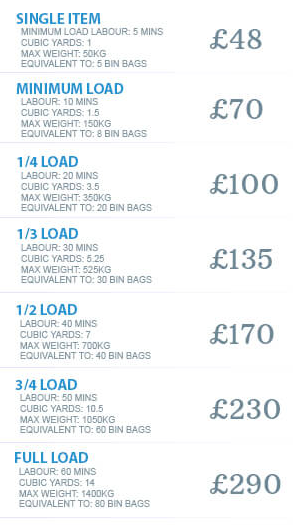
 Tipper Van - Rubbish Removal and Junk Disposal Prices in Docklands, SE16
 Luton Van - Rubbish Removal and Junk Disposal Prices in Docklands, SE16