Island Gardens skip alternative rubbish removal options
Posted on 20/10/2026

Island Gardens skip alternative rubbish removal options: a practical guide for Docklands residents and businesses
If you are clearing clutter near Island Gardens, you may already know that a skip is not always the easiest answer. Tight access, parking headaches, short turnaround times, and building rules can make traditional skip hire feel like more hassle than help. That is where Island Gardens skip alternative rubbish removal options come in. They give you flexible ways to clear waste quickly, often with less disruption and a cleaner finish at the end. This guide walks through what those alternatives are, when they make sense, how they work, and how to choose the right one without overcomplicating the job.
You will also find practical comparisons, a simple step-by-step process, common mistakes to avoid, and a checklist you can use before booking. If you live in a flat, manage a workspace, or are clearing a property in the Docklands area, this should help you make a calmer, better-informed decision. And honestly, that is usually half the battle.
Why Island Gardens skip alternative rubbish removal options matters
Island Gardens sits in a part of Docklands where access can be straightforward in some streets and awkward in others. That mix matters more than people expect. A skip is convenient on paper, but in real life you still need somewhere to place it, time to fill it, and permission if it sits on a public road. If you are dealing with a top-floor flat, a busy mews, or a property with limited frontage, the skip can quickly become the least elegant solution in the room.
Alternative rubbish removal options matter because they fit the way people actually live and work here. Some jobs are small and urgent. Some are bulky but quick. Others need careful handling because the building has shared access, lift restrictions, or neighbours who are not going to love a skip blocking the view for three days. In those cases, a collection-based service or a more targeted clearance is often the smarter route.
There is also the question of waste type. A mixed load from a loft clear-out is very different from garden cuttings, office furniture, or builders' rubble. The better the fit between waste type and disposal method, the less waste you pay to move around unnecessarily. That is good for your budget, your time, and the atmosphere in the building. Let's face it, nobody enjoys an overcomplicated rubbish job.
For readers looking at broader service choices across the area, it may help to review the wider services overview and the practical details on pricing and quotes before deciding. It keeps the booking process grounded in what you actually need rather than what sounds easiest at first glance.
How Island Gardens skip alternative rubbish removal options works
At a basic level, these alternatives replace the stationary skip with a more flexible collection model. Instead of leaving a container outside and filling it over time, waste is usually removed in one of three ways: direct collection from inside or outside the property, scheduled man-and-van style clearance, or a targeted service for specific waste types such as furniture, green waste, or general household junk.
Here is how it usually works in practice. You describe the waste, the volume, and the access situation. A provider assesses whether the job can be done in a single visit, whether a two-person lift is needed, and whether any items require special handling. Then the waste is loaded straight away and taken for sorting, reuse, recycling, or disposal depending on the material. Simple enough, but the detail matters.
One of the biggest advantages is adaptability. If your building has narrow corridors, no lift access, timed deliveries, or porter restrictions, a flexible clearance team can usually plan around that. If you are clearing a business space, the job can often be timed to avoid trading hours. If you are clearing after a move, you can remove packaging, broken items, and random odds and ends without booking a skip that sits half-empty for days.
In the Docklands context, this flexibility often pairs well with more specific services such as rubbish collection in Docklands, rubbish clearance in Docklands, or a more targeted furniture disposal service. The key is choosing a method that fits the waste, not forcing the waste to fit the method.
Key benefits and practical advantages
For many people, the real appeal is not just convenience. It is control. You control timing, you control access, and you avoid the visual clutter of a skip sitting outside your property. That may sound minor, but when you live in a shared block or manage a front-facing commercial unit, it can be a big deal.
- Less disruption: waste can be removed in one visit rather than sitting onsite.
- Better for tighter access: useful where skips are difficult to place or load.
- Faster turnaround: ideal for same-day or short-notice clearances.
- More flexible sizing: you can book for the actual amount of rubbish, not a fixed container size.
- Cleaner appearance: no skip on the street, which can matter in residential and high-footfall areas.
- Potentially better segregation: items can be separated more carefully for recycling or reuse.
There is another practical benefit that gets overlooked: people often find alternative rubbish removal less mentally draining. A skip can tempt you into delaying the job, because it feels like a mini construction project. With a direct collection, the work has a start and an end. That helps. A lot, actually.
For households, it can be a better fit for a spring clean, end-of-tenancy tidy-up, or a post-renovation clear-out. For businesses, it can make office moves and refurbishment waste feel much more manageable. If you are dealing with property turnover or tenancy changes, the Docklands guides on rubbish removal for Canary Wharf tenants and bulky rubbish collection for West India Quay residents may also help you think through the practical side of timing and access.
Who this is for and when it makes sense
Not every clearance job needs a skip alternative, but many do. The best candidates are usually people who need a clean, predictable service without the footprint of a skip. That includes residents in apartments, landlords preparing a property, office managers, tradespeople with mixed light waste, and anyone handling bulky items in an awkward access setting.
It tends to make sense when:
- you have limited space outside the property;
- the building or estate has access rules;
- you need rubbish removed quickly;
- you are disposing of bulky but manageable items;
- you want to avoid a permit-related headache;
- you prefer items to be carried out rather than loaded yourself.
It may also suit people who are not sure how much waste they have. Instead of guessing the size of a skip and hoping for the best, you can book a collection that matches the load more closely. That is particularly useful for loft clear-outs and garage jobs, where the pile tends to look smaller until you start lifting it. Funny how that works.
If your waste includes bulky household items, a dedicated house clearance service or garage clearance service may be a better fit than a general skip. For larger stored items upstairs or tucked away under the eaves, loft clearance can save a lot of back and forth.
Step-by-step guidance
If you want the process to go smoothly, a little preparation goes a long way. You do not need to stage the rubbish like a film set, but you do need enough organisation to help the team work efficiently.
- Identify the waste type. Separate general rubbish, furniture, garden waste, office items, and anything potentially hazardous.
- Estimate the volume. Think in terms of bags, bulky items, or room-by-room piles rather than trying to guess a perfect cubic size.
- Check access. Note stairs, lifts, narrow hallways, parking restrictions, and any loading limitations.
- Decide what stays and what goes. This sounds obvious, but mixed items often cause delays on the day.
- Choose the right service type. A small domestic clearance is different from office clearance or builders waste clearance.
- Ask about loading and sorting. Make sure you know whether the team will collect from inside, outside, or both.
- Confirm timing. Same-day, next-day, or booked slots can matter a lot if you are moving or handing back keys.
- Prepare the area. Move personal items away from the load if possible, and make sure access routes are clear.
A sensible rhythm is: assess first, book second, clear third. Rushing straight to booking can leave you with the wrong service or an awkward arrival window. You want the job to feel easy on the day, not like a puzzle you are solving with a moving van waiting outside.
If you are comparing service options, it can help to look at the provider's approach to recycling and sustainability as well as insurance and safety. Those details matter more than people think, especially for shared buildings and commercial premises.
Expert tips for better results
In our experience, the best clearances are rarely the most dramatic ones. They are the ones that are quietly well planned. A few small decisions can make the whole thing feel noticeably smoother.
Sort fragile or awkward items first. Mirrors, glass tables, electricals, and anything with loose parts should be identified early. It saves time and reduces the chance of damage on stairs or in communal areas.
Keep recycling separate where possible. Cardboard, clean wood, metal, and some appliances may be easier to route correctly if they are not all mixed into one pile. That does not mean you need to become a sorting expert overnight. Just give the team a fair chance to handle things properly.
Think about timing around neighbours. Early morning collections can be great for speed, but if your building has thin walls and sleepy neighbours, maybe not. Mid-morning tends to strike a decent balance.
Make access visible. If the crew cannot see the route, they may waste time checking corridors, lifts, loading points, or parking spots. A quick walkthrough helps more than a long phone explanation. One minute at the door can save ten later.
Ask about special handling for bulky or heavy pieces. Sofas, wardrobes, fridge-freezers, and broken exercise equipment are not all handled the same way. The clearer you are, the fewer surprises there are.
Keep paperwork and building rules in mind. If you manage a block or commercial unit, make sure the relevant people know what is happening. It sounds basic, but basic is good when waste removal is involved.

Common mistakes to avoid
Most problems with rubbish removal are not dramatic. They are small misjudgements that snowball. The good news? They are easy to avoid once you know what to look for.
- Choosing a skip out of habit: a skip is not always the cheapest or easiest solution once access and permissions are factored in.
- Underestimating the amount of waste: that "one room of stuff" often turns into much more when you start sorting.
- Ignoring access restrictions: lifts, narrow stairwells, and timed loading bays can change the whole job.
- Mixing everything together: hazardous, electrical, and general waste may need different handling.
- Leaving booking details vague: a few extra minutes explaining the load can prevent a lot of confusion later.
- Forgetting about building management: shared spaces need more communication than a standalone house.
A lot of people also forget the emotional side of a clear-out. If you are dealing with a family property, a long-stored loft, or an office that is changing shape, the job can feel bigger than the rubbish itself. That is normal. The trick is to break it down into a sequence instead of trying to solve the whole thing in one mental jump.
Tools, resources and recommendations
You do not need a truckload of equipment to prepare for a rubbish collection, but a few simple tools can help. Strong gloves, sturdy bags, tape for bundling items, a torch for dark corners, and a basic inventory list are often enough. For lofts and garages, a dust sheet and a quick clear walkway can make a surprisingly big difference.
From a planning point of view, the most useful resources are the service pages themselves. A reader trying to decide between clearance types may want to compare junk removal, waste removal, rubbish clearance, and skip hire before committing. That comparison helps you choose based on actual need, not guesswork.
For bigger item-heavy jobs, furniture and room-specific services can be especially helpful. If the job is more about clearing one area than removing loose bagged waste, services such as furniture disposal or house clearance may fit better. If the waste is seasonal and green in nature, garden waste removal is usually more appropriate than a general-purpose solution.
And if you are the kind of person who likes to understand the company side too, the pages on about us and payment and security can be useful for reassurance before booking. A little trust-building goes a long way when you are letting a team into your building.
Law, compliance, standards, or best practice
Waste removal in the UK is not just a practical job; it also carries responsibility. You do not need to become a compliance expert, but you should expect any reputable service to handle waste legally, transport it appropriately, and avoid fly-tipping or careless disposal. That is basic professional behaviour, not an optional extra.
For householders and businesses alike, best practice starts with using a company that is transparent about how waste is handled and that takes safety seriously. If your rubbish includes electrical items, heavy furniture, builders' debris, or anything that could present a hazard, proper handling becomes even more important. In shared buildings or managed estates, the responsibility is broader because access, noise, and cleanliness affect other people too.
It is also sensible to think about duty of care in plain English terms: know what you are getting rid of, be honest about the type of waste, and make sure the collection method suits it. If you are clearing commercial premises, there may be additional internal procedures to follow. Nothing flashy. Just good practice, really.
The safest approach is to ask clear questions before booking. How will the waste be removed? What happens to reusable items? Are there any items they cannot take? Is the team insured? You are not being difficult by asking. You are being careful, which is different.
Options, methods, or comparison table
Here is a simple comparison of the most common skip alternative rubbish removal options for Island Gardens and the wider Docklands area.
| Option | Best for | Strengths | Possible drawbacks |
|---|---|---|---|
| Direct rubbish collection | Bagged waste, mixed household rubbish, quick clear-outs | Fast, flexible, minimal disruption | Less suitable for very large volumes |
| Man and van clearance | Bulky items, flat clearances, short-notice jobs | Good access handling, carried for you | May cost more for heavy loads |
| Furniture disposal | Sofas, wardrobes, tables, office furniture | Item-specific, practical for bulky pieces | Not ideal for mixed loose rubbish |
| House or office clearance | Whole rooms, end-of-tenancy, business moves | Thorough, time-saving, organised | Can be more than you need for very small jobs |
| Skip hire | Larger, ongoing projects with space available | Good for long jobs and heavy volumes | Needs space, may need permits, can sit onsite |
If you are still unsure, think in one sentence: do I need a container to sit here for a while, or do I need the rubbish gone now? That question usually points you in the right direction.
Case study or real-world example
Here is a typical Docklands-style scenario. A resident in an Island Gardens apartment is moving out after a long tenancy. The property is on an upper floor, the lift is small, and the building does not have space for a skip outside. There is also a narrow frontage, so even if a skip were possible, it would create friction with neighbours and access rules.
The resident has a mix of items: a dismantled bed frame, a mattress, several bags of household clutter, cardboard packaging, and an old chair. None of it is unusual, but together it is enough to be annoying. A collection-based rubbish removal option solves the problem neatly. The team carries the items out, separates the reusable and recyclable materials where practical, and removes everything in one visit.
What made the difference was not just speed. It was clarity. The resident knew what was going, the access route was ready, and the booking matched the actual load. No skip sat outside for days. No awkward permit question. No half-finished clear-out. The job was done, and the flat was ready for final inspection by late afternoon. That kind of outcome is ordinary, which is exactly why it works.
Another common version is an office near the Docklands transport corridor where furniture and packaging build up after a refurbishment. A timed office clearance lets the business keep the working week intact while clearing the space in stages. Again, not glamorous. Just practical.
Practical checklist
Use this checklist before you book any Island Gardens skip alternative rubbish removal option.
- Have I identified exactly what needs removing?
- Do I know whether the waste is general, bulky, green, office, or builders' waste?
- Have I checked the access route, stairs, lift, parking, and loading space?
- Do I need same-day or next-day collection?
- Have I separated anything that may need special handling?
- Do I understand whether the team will collect from inside, outside, or both?
- Have I compared the service to other options such as skip hire or clearance?
- Have I checked the provider's approach to safety, recycling, and payment?
- Have I cleared the area so the team can work efficiently?
- Have I told building management or neighbours if that is relevant?
If you can tick most of those off, you are in good shape. If not, no stress. Just pause, tidy the plan, then book. A few minutes now is much nicer than a mess later.
Conclusion
Island Gardens skip alternative rubbish removal options are worth considering whenever space, timing, or access make a traditional skip less practical. For many residents and businesses in Docklands, the real advantage is not just convenience but control: the right waste goes, the disruption stays low, and the job gets finished without taking over the street or the week.
The best choice depends on your waste type, the volume involved, and the shape of the property. If you are clearing a flat, office, loft, garage, or mixed household load, a flexible collection or clearance service may simply fit better. Keep the process simple, ask sensible questions, and match the method to the mess. That is the whole trick, really.
If you are ready to compare options, review the service details and choose the approach that feels most practical for your situation. Get a free quote today and see how much you can save.
And if the job feels a bit too big right now, that is fine. Start with one room, one pile, one decision. The rest usually follows.



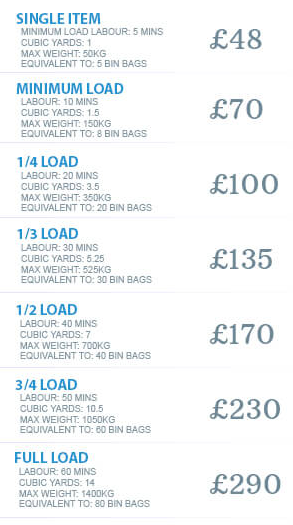
 Tipper Van - Rubbish Removal and Junk Disposal Prices in Docklands, SE16
 Luton Van - Rubbish Removal and Junk Disposal Prices in Docklands, SE16