Hidden charges rubbish removal Docklands avoid extra fees
Posted on 08/10/2026

Hidden charges rubbish removal Docklands avoid extra fees: a practical guide for paying the right price
If you have ever booked rubbish removal and then spotted extra charges creeping onto the final bill, you are not alone. In Docklands, where flats, office blocks, basement storage, and awkward access can all affect the job, it pays to understand hidden charges rubbish removal Docklands avoid extra fees before you commit. The good news? Most surprise costs are avoidable once you know what to ask, what to check, and what a fair quote should actually include.
This guide walks you through the whole thing in plain English. You will learn how hidden fees happen, which questions cut through vague pricing, what legitimate charges can look like, and how to compare services without getting caught out. Simple idea, really. Ask better questions, pay a fair price, avoid the nonsense.
Why Hidden charges rubbish removal Docklands avoid extra fees Matters
Docklands is not a one-size-fits-all area. You have riverside apartments, modern developments, office spaces, retail units, and older buildings with tighter access. That matters because rubbish removal pricing often depends on what the crew can actually see on the day. Stairs, lift delays, parking restrictions, long carries, and mixed waste can all affect the final amount.
The problem is not just that extra charges exist. The real issue is unclear pricing. A cheap headline quote can look attractive at 8 a.m., then feel very different by lunchtime when the team starts adding fees for labour, waiting time, mattress disposal, or a load that was supposedly larger than described. You know the feeling: the job is already underway, so you are not exactly in a strong position to argue.
For households, landlords, letting agents, and office managers, the risk is the same: budget drift. If you are planning a flat clearance, moving out, or clearing a workspace, hidden fees can upset your timeline and your finances. In a busy place like Docklands, where time is often short and access can be fiddly, clarity is worth more than a bargain-looking estimate.
Expert summary: The cheapest quote is rarely the cheapest job if it is vague. A transparent rubbish removal service should explain what is included, what could change the price, and how any extra charges are calculated before anyone lifts a bag.
This is also where local relevance matters. Docklands properties can involve concierge rules, loading bay bookings, restricted parking, or shared entrances. If a company has not priced for those realities, you may end up paying for poor planning. Fair enough if the job changes. Not fair if the pricing was fuzzy from the start.
How Hidden charges rubbish removal Docklands avoid extra fees Works
Most hidden charges in rubbish removal follow a predictable pattern. The company gives a quote based on limited information, then adds costs later when the load, access, or handling requirements turn out to be different. Sometimes that is because the customer under-described the job. Other times the provider simply priced too loosely and is trying to recover margin later.
The process usually begins with an enquiry, a photo assessment, or a short phone call. A good company will ask about the type of waste, where it is located, whether there are stairs or lifts, and whether the job needs same-day attendance. A less careful operator may ask only for a rough description and a postcode, then "adjust" the bill at the end. That is where extra fees tend to sneak in.
Here are the most common charge triggers:
- Access issues: narrow stairs, no lift, long walk from the property to the van, or complicated parking.
- Load size changes: more waste than expected, or bulky items that take up more space than loose bags.
- Special handling: heavy items, fragile materials, or items needing careful dismantling.
- Waste type differences: mixed waste, electrical items, or materials that require separate treatment.
- Timing pressure: urgent same-day work, out-of-hours attendance, or waiting caused by building access delays.
That does not mean every extra charge is unfair. Sometimes the scope genuinely changes. The key is whether the customer was told clearly in advance. A proper quote should explain the basis of the price and give a realistic view of what might change it.
In practice, avoiding hidden charges is mostly about evidence and specificity. Photos help. Item lists help. A quick note about access helps. If you are removing items from a third-floor flat in Docklands at 7:30 in the morning, say so. It saves everyone from awkwardness later. And yes, awkward is the right word here.
Key Benefits and Practical Advantages
Being proactive about pricing does more than protect your wallet. It makes the entire job smoother, especially in a dense area where schedules matter and access can be tight.
- Better budgeting: you can plan around a known cost instead of absorbing surprise extras.
- Faster decisions: clear quotes make it easier to compare providers without endless back-and-forth.
- Less stress: no one likes the tense moment when the final bill is higher than expected.
- Smoother clearance day: when the scope is agreed, the crew can get on with the work.
- More trust: transparent pricing usually signals a more professional operation overall.
There is also a hidden benefit people overlook: better preparation. When you know what can affect the price, you naturally sort waste more carefully, measure bulky items, and think through access. That often means the job is faster and tidier. A small bit of planning saves a lot of "oh, I forgot about that" moments.
For landlords and managing agents, the advantage is even bigger. A clear price structure makes it easier to authorise work, explain costs to tenants, and keep records tidy. For offices, it helps with procurement and reduces the chance of awkward invoice disputes after a clearance is complete.
If you are comparing services, pages like the services overview and pricing and quotes information are useful places to understand how a provider structures its work before you book. Not glamorous reading, maybe, but very useful.
Who This Is For and When It Makes Sense
This topic matters to a lot more people than you might expect. In Docklands, rubbish removal is not just for end-of-tenancy clear-outs. It comes up in all sorts of ordinary, slightly messy real-life situations.
You may need this if you are:
- moving out of a flat and clearing leftovers before handover
- renovating a kitchen, bathroom, or workspace
- dealing with office clutter, old furniture, or archive waste
- sorting a garage, loft, or storage cage that has quietly become a dumping ground
- managing a property between tenants
- getting rid of bulky household items without hiring a skip
- handling garden waste after a tidy-up of a small terrace or communal area
It also makes sense if you are the sort of person who likes certainty. Let's face it, some people do not mind a loose estimate. Others want the full picture before they pick up the phone. If you are in the second group, the hidden-charges question is not fussy at all. It is sensible.
There is also a practical timing angle. If your clearance needs to happen during a narrow window, maybe because of movers, contractors, or building access rules, you really do not want billing disputes on the day. In those situations, a transparent rubbish removal company becomes part of the schedule, not just a vendor.
For a better sense of local service needs, you can also look at rubbish clearance in Docklands and rubbish collection in Docklands. Different jobs need different approaches, and the price should reflect that clearly.
Step-by-Step Guidance
If you want to avoid extra fees, do not start with price alone. Start with detail. That is the small trick that saves people the most trouble.
- List everything that needs removing. Include loose bags, furniture, appliances, broken items, and anything tucked away in a storage cupboard.
- Describe access honestly. Mention stairs, lift size, parking limitations, concierge rules, and whether the load has to be carried a long way.
- Share photos if possible. A few clear pictures can prevent a lot of misunderstanding. Truth be told, photos often say more than a five-minute phone call.
- Ask what is included in the quote. Labour, loading, disposal, congestion-related handling, and VAT if applicable should all be clear.
- Ask what could change the price. A reliable provider will explain this in plain language rather than hiding behind vague terms.
- Confirm the waste type. If you have mixed materials or items needing special treatment, mention them early.
- Get the quote in writing. Email, text, or a formal booking summary is better than relying on memory.
- Check the arrival window and waiting-time policy. A delay caused by access or building rules should not be a mystery.
- Inspect the load plan before work starts. If the crew sees something different, pause and agree the change first.
- Keep the discussion calm and factual. That works better than a debate on the pavement while everyone is trying to finish the job.
A good rule of thumb: if a fee might be charged later, ask about it now. That single habit removes most of the surprise. Simple, but powerful.
Expert Tips for Better Results
Here are the habits that separate smooth bookings from annoying ones. These are the small things professionals notice straight away.
Be specific about bulky items
A sofa, a wardrobe, or a pile of dismantled furniture does not behave like five bin bags. Bulky waste takes up space differently and often needs two people to move safely. If you mention exact items, your quote is more likely to be accurate.
Separate what can be grouped
If you have garden waste, household junk, and old electronics all in one job, say so. Mixed loads can affect handling and disposal. Sometimes grouping items logically before the crew arrives makes the job cleaner and easier, which can save time and reduce friction.
Check building rules first
Docklands developments often have concierge desks, loading zones, or restricted parking. If your building needs advance notice or a permit, the removal team should know. A five-minute check at reception can prevent a long, expensive wait outside. One less headache.
Use photos, but make them useful
Send wide shots, close-ups, and at least one image showing the route out of the property if access is tricky. A single close-up of a pile of rubbish tells only part of the story. The crew also needs to know whether they will be squeezing past bikes, boxes, or a very determined houseplant.
Ask about minimum charges
Some providers have a minimum load or call-out fee. That is not automatically a bad thing, but it should be explained clearly. Minimum charges are common enough; hidden minimum charges are the problem.
Another useful tip: if the quote feels oddly low, ask one more question. Usually it is the question people skipped that later causes the invoice to wobble.

Common Mistakes to Avoid
Most extra-fee problems come from the same handful of mistakes. You can dodge them pretty easily once you know what to look for.
- Choosing solely on the headline price: a low first number is not enough if the quote is vague.
- Under-describing the job: missing out bulky items, access issues, or mixed waste leads to change charges later.
- Not asking about labour time: some jobs take longer than expected, especially in flats and office buildings.
- Assuming all services include the same things: one provider may include loading and disposal, another may not.
- Leaving waste in multiple places: items spread across rooms or floors can increase time and effort.
- Forgetting parking constraints: in Docklands, access can be the difference between a quick job and a frustrating one.
- Not confirming special items: fridges, mattresses, electrical items, and awkward furniture can be priced differently.
There is also a softer mistake: being too embarrassed to ask basic questions. Please do ask them. That is what sensible customers do. If a company bristles at straightforward pricing questions, that tells you something useful.
Tools, Resources and Recommendations
You do not need fancy software to avoid hidden rubbish removal fees. A few simple tools and habits are usually enough.
- Phone camera: take photos of the waste, access route, and anything awkward to move.
- Notes app: write down item counts, approximate sizes, and where items are stored.
- Ruler or tape measure: useful for checking whether furniture will fit through doors, lifts, or hallways.
- Building contact: concierge or property management can confirm parking and loading rules.
- Quote comparison sheet: list what is included, what is excluded, and whether prices are fixed or subject to change.
When you are choosing a provider, look for a clear explanation of the service rather than vague promises. Pages such as about the company, insurance and safety, and recycling and sustainability can help you judge whether the business seems organised and transparent.
If you are clearing larger or more specialised loads, it is also worth reviewing related services such as house clearance, office clearance, furniture disposal, or builders waste clearance. Different jobs bring different cost factors, and the right service description helps keep pricing honest.
Law, Compliance, Standards, or Best Practice
Whenever waste is being collected and moved, there are practical compliance expectations that matter, even if you do not need the legal detail in your head. In the UK, waste should be handled responsibly, and reputable operators should be able to explain how they manage transport, disposal, and safety. If a provider cannot give you straight answers on this, that is worth a second thought.
From a customer perspective, the safest best practice is simple: do not hand waste to anyone who looks unreliable, and do not accept a pricing arrangement that has no clear scope. A professional service should be insured, should handle waste appropriately, and should be able to explain what happens to collected materials in general terms.
For your own protection, keep evidence of the booking. Save the quote, take screenshots of messages, and note any verbal promises in writing afterward. It is not being awkward. It is just sensible. If something changes, a paper trail helps both sides stay fair.
Also keep in mind that some items may need special handling, particularly electrical goods, heavy objects, or materials that create health and safety concerns. A careful provider will explain this without drama and without sudden add-ons appearing out of nowhere.
If you want to understand a provider's standard terms before booking, you can review terms and conditions, payment and security, and privacy policy. Those pages often reveal how transparent and organised the business really is.
Options, Methods, or Comparison Table
If you are trying to avoid extra fees, it helps to compare the common ways people get rid of rubbish in Docklands. The cheapest-looking option is not always the cleanest fit.
| Option | Best for | Risk of hidden charges | What to watch for |
|---|---|---|---|
| On-demand rubbish removal | Quick clearances, mixed household waste, bulky items | Medium if the quote is vague | Access issues, load size changes, minimum fees |
| Skip hire | Longer projects, renovation waste, multiple disposal sessions | Medium to high if permits or overweight loads are missed | Permit needs, skip size mistakes, hire extensions |
| Self-transport to a waste site | Small loads and people with time and transport | Low on service fees, but time costs can be high | Fuel, labour, vehicle wear, disposal acceptance rules |
| Specialist clearance | Offices, full house clearances, builders waste | Low if scoped properly, higher if assumptions are made | Scope creep, access, after-hours work, sorting requirements |
For many Docklands residents, a straightforward collection service is the best balance of speed and simplicity. If your load is awkward, the main goal is not finding the lowest number on the page. It is finding the number that stays put.
Case Study or Real-World Example
Here is a typical Docklands-style scenario. A resident in a high-rise flat needs to clear out an old wardrobe, a broken desk, several bags of general junk, and a mattress before a tenancy handover. The building has a concierge desk, one service lift, and a limited loading bay. Nothing dramatic, but enough moving parts to cause pricing trouble if the job is described loosely.
At first, the customer asks for a quick estimate over the phone and says, "It is just a bit of rubbish." That phrase, by the way, has caused more confusion than it should. Once photos are shared, it becomes clear that the wardrobe needs dismantling, the mattress has to be carried through a tight hallway, and the service lift booking needs to be timed carefully.
A transparent provider would then adjust the quote before the appointment, explain why the price is changing, and confirm what is now included. The customer can decide whether to proceed or remove a few items to reduce the cost. No drama, no surprise bill, no awkward conversation beside a lift that keeps opening and closing for no reason.
That is the real value of avoiding hidden charges. It is not just about saving money on paper. It is about knowing where you stand before the job starts. A clean quote gives you control, and in Docklands that can make a surprisingly big difference.
Practical Checklist
Use this before you book. It is short, but it catches most of the issues that lead to extra fees.
- Have I listed every item to be removed?
- Have I explained access clearly, including stairs, lifts, and parking?
- Have I shared photos or measurements for bulky items?
- Have I asked what the quote includes and excludes?
- Have I asked whether labour, disposal, and VAT are included?
- Have I confirmed any minimum charge or call-out fee?
- Have I mentioned special items such as electricals, mattresses, or heavy furniture?
- Have I checked building rules, loading access, and timing restrictions?
- Have I requested the quote in writing?
- Do I understand what could trigger an additional charge?
If you can tick most of those off, you are already ahead of the game. Seriously, most billing headaches start when people skip the basics.

Conclusion
When you are dealing with hidden charges rubbish removal Docklands avoid extra fees, the goal is not to become an expert in waste pricing overnight. It is simply to ask the right questions, describe the job properly, and choose a provider that is transparent from the start. That is how you protect your budget without making the process harder than it needs to be.
In Docklands, where buildings can be busy and access can be awkward, clarity matters more than ever. A fair quote should feel clear, specific, and calm. No smoke and mirrors. No mysterious extras appearing at the end.
If you are comparing options, take a few minutes to review the company's service pages, pricing information, and policies before you book. A little preparation now can save a lot of frustration later, and it makes the whole job feel far more manageable.
Get a free quote today and see how much you can save.
And if all you wanted was to get rid of clutter without drama, that is perfectly reasonable. Done properly, it really can be refreshingly simple.


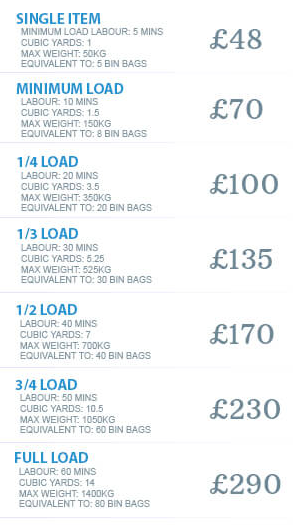
 Tipper Van - Rubbish Removal and Junk Disposal Prices in Docklands, SE16
 Luton Van - Rubbish Removal and Junk Disposal Prices in Docklands, SE16