Bulky rubbish collection West India Quay guide for residents
Posted on 30/06/2026
If you live near the waterfront, in a dockside apartment, or in one of the modern developments around West India Quay, bulky waste has a way of becoming urgent at the most inconvenient moment. A sofa that won't fit through the lift. A mattress you've been meaning to replace. Boxes from a move that are now blocking the hallway. This Bulky rubbish collection West India Quay guide for residents is here to make the whole thing feel simpler, calmer, and far more manageable.
In practical terms, bulky rubbish collection is about removing large household items safely, efficiently, and without turning your bin area into a small disaster. In a dense London neighbourhood, that matters more than people think. Space is tight, building rules can be strict, and nobody wants an item left in a shared corridor for "just one night" that somehow becomes a week. Let's face it, bulky waste has a talent for lingering.
This guide walks you through how bulky rubbish collection typically works in West India Quay, what residents should prepare, what to avoid, and how to choose the right removal option for your situation. You'll also find a checklist, a comparison table, and answers to the questions people actually ask.

Why Bulky rubbish collection West India Quay guide for residents Matters
West India Quay has a very specific rhythm. It's a busy residential and commercial pocket where buildings tend to be more vertical than sprawling, and common areas are shared. That means bulky waste is not just "extra rubbish". It can affect access, safety, neighbour relations, and building management all at once.
When a large item is left in a hallway or by a bin store, it can create a nuisance quickly. Think blocked access routes, unpleasant odours if the item has absorbed damp, and fire-safety concerns if escape routes are reduced. In apartment living, even small delays become visible to everyone. A single broken armchair in the wrong place can feel oddly bigger than the item itself.
For residents, the value of proper bulky rubbish collection is simple: it keeps your home tidy, protects shared spaces, and helps you dispose of unwanted items in a way that feels controlled rather than chaotic. If you're clearing more than one item, or dealing with awkward furniture, a dedicated service is usually far easier than trying to improvise.
It also matters for people moving in, moving out, or refreshing a property. A clean flat is easier to photograph, easier to hand over, and much easier to live in. If you're interested in the wider local picture, the insights in living in Docklands from a local perspective help explain why efficient waste removal is such a normal part of life here.
How Bulky rubbish collection West India Quay guide for residents Works
Most bulky collection jobs follow a fairly straightforward pattern, though the exact process can vary depending on what you need removed and where you live. The key is to know what happens before the crew arrives, not after they are already at the door with nowhere to park.
Typical process
- Identify the items. Make a clear list of what needs removing: furniture, appliances, bags of mixed junk, or a combination.
- Check building access. Note whether there is lift access, a loading bay, restricted parking, or concierge procedures.
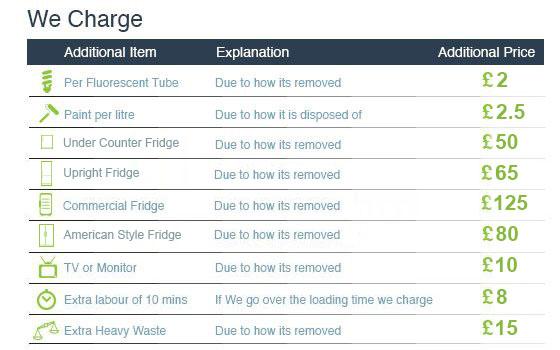
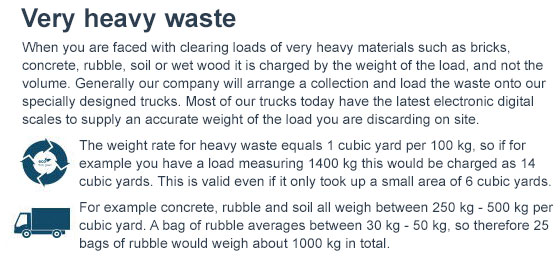
- Request a quote. Good quotes are usually based on the volume, item type, labour required, and access conditions.
- Prepare the items. Remove loose contents, disconnect appliances safely if needed, and separate anything that should stay.
- Collection day. The team removes the items, loads them securely, and clears the area.
- Responsible sorting. Items may be separated for reuse, recycling, or disposal depending on condition and composition.
That last point matters. Bulk disposal is not just about "getting it gone". A sensible provider will look at what can be reused or recycled first, rather than treating every item as landfill-bound. If sustainability is important to you, it's worth reading more about the approach in recycling and sustainability practices.
For residents, the practical difference between a smooth collection and a stressful one often comes down to access. A collection from a ground-floor flat with a clear route is one thing; a sixth-floor apartment with a narrow lift and tight corridor corners is another entirely. That's where planning saves the day.
Key Benefits and Practical Advantages
Choosing a proper bulky waste removal option is less about convenience alone and more about reducing friction in everyday life. The best benefits are the ones you notice only because nothing went wrong.
- Faster clearance: Large items are removed in a single visit rather than dragged into a slow DIY disposal plan.
- Less physical strain: You avoid lifting, bending, and awkward manoeuvring down stairs or through lifts.
- Better building etiquette: Shared spaces stay clear, which helps you avoid complaints from neighbours or management.
- Cleaner finish: Once the bulky items are out, the room feels ready again. You know that feeling when a spare room suddenly breathes? That.
- More predictable costs: With clear quoting, you're less likely to run into surprise add-ons halfway through the job.
- Safer handling: Heavy or sharp items are moved by people used to the awkward stuff.
There's also a time-saving advantage that residents often underestimate. If you try to manage a large item on your own, you may spend hours calling around, borrowing a van, finding a second pair of hands, and checking whether the item will even fit. A dedicated collection cuts through all of that.
If your needs are broader than a one-off item, it can help to compare related services such as rubbish collection in Docklands or a more general rubbish clearance service to see which scope matches your job best.
Who This Is For and When It Makes Sense
Bulky rubbish collection is useful for a lot more people than first-time movers. In West India Quay, it usually makes sense for residents in apartments, managed blocks, converted buildings, and homes where access is shared or limited.
Common situations where it helps
- Moving house: Old wardrobes, damaged chairs, unwanted shelves, and mattress replacements all tend to show up at the same time.
- End-of-tenancy clear-outs: If you need to hand a property back tidy, bulky collection can save a lot of last-minute panic.
- Refurbishment or refresh work: New furniture often means the old pieces need to go first.
- After a long-lived build-up: Spare rooms, balconies, and box rooms can quietly collect clutter over months or years.
- Small landlord jobs: When tenants leave furniture behind, a fast collection keeps the next turnover moving.
It can also help after a loft, garage, or storage clear-out. If that sounds familiar, you may find useful overlap with loft clearance in Docklands or garage clearance services, depending on where the clutter is hiding.
One resident might only need a single bulky item removed. Another might be dealing with an entire flat's worth of furniture after a move. Both are valid. The right service should scale to the job, not force your job into a rigid little box.
Step-by-Step Guidance
If you want the process to go smoothly, treat it like a small project rather than a spontaneous task. A little preparation goes a long way, especially in apartment buildings where logistics matter.
- Make a full item list. Walk through the property and note every bulky item you want removed. Be specific.
- Separate what stays. Mark items that should not be touched. A sticky note on the item or a grouped area works well.
- Check access details. Is there a lift? Does the building require advance notice? Is parking limited? Mention it early.
- Take photos if helpful. Not glamorous, but it makes quoting clearer and avoids confusion later.
- Ask about item types. Sofas, white goods, and mixed waste may be handled differently.
- Prepare the route. Clear loose obstacles from hallways and entry paths. A clean route speeds things up more than people expect.
- Confirm collection timing. If you work from home or need concierge coordination, make sure the slot is realistic.
- Review pricing and terms. Understand what is included before anyone arrives.
- Be present, if possible. A quick walk-through at the start avoids awkward "I thought that chair was staying" moments.
- Check the final area. Once the items are gone, look over the space while the crew is still there.
If the job involves heavier furniture or multiple item types, it may be worth exploring furniture disposal support in Docklands as well as the broader options in the service range. It really depends on whether you're moving one sofa or doing a whole-room reset.
A quick personal note: the jobs that go best are almost always the ones where the resident has spent ten minutes preparing and thirty seconds explaining the access. That little bit of clarity saves everybody a headache.
Expert Tips for Better Results
Here's the honest version. Most bulky rubbish jobs are not difficult, but they do reward people who think one step ahead. These small habits make a noticeable difference.
- Measure before you remove. If you're replacing furniture, confirm the new item is actually on the way before getting rid of the old one. Sounds obvious. Still gets missed.
- Bundle similar items together. Grouping furniture, mixed junk, and recyclable items separately helps with sorting and quoting.
- Use the least awkward route. Sometimes the longest route is easier if it avoids tight corners and glass doors.
- Keep paperwork or receipts handy. For landlords, agents, and managing agents, a simple record of removal can be useful.
- Plan around building traffic. Late morning or early afternoon may be easier than rush hour, especially where access roads are busy.
- Don't leave the hard bits for collection day. If a mattress needs stripping or drawers need emptying, do it in advance.
For residents who are dealing with larger property turnover or building-related waste, builders waste clearance in Docklands may be a more suitable fit than a standard household collection. That distinction matters. A lot.
Also, if you're comparing providers, look beyond the headline price. Ask what's included, how access is handled, and whether the team has clear safety procedures. A cheaper quote that turns messy at the curb is not really cheap.
Common Mistakes to Avoid
A few mistakes come up again and again. Some are small. Some are annoyingly expensive. Here are the ones worth dodging.
- Leaving items in communal areas too long. This can annoy neighbours and may breach building rules.
- Assuming all bulky waste is the same. A sofa, a freezer, and a stack of broken shelves are not identical from a handling point of view.
- Forgetting access restrictions. Tight parking, loading limits, and concierge hours can affect the whole job.
- Not checking what should stay. It happens more often than people admit. A small mix-up can become a big one.
- Ignoring safety risks. Sharp edges, heavy lifting, and damp items need care.
- Using vague quotes. If the quote is too broad, you may not know what you're actually paying for.
Another common trap is trying to combine too many jobs into one last-minute removal. If you've got garden waste, old office furniture, and miscellaneous household items all mixed together, pause for a moment and think about the right service mix. For example, garden waste removal in Docklands is a cleaner fit for outdoor debris, while a household collection is better for furniture and general bulk items.
And yes, there is such a thing as "I'll sort it later". It has probably delayed more clear-outs than any other phrase in London.
Tools, Resources and Recommendations
You do not need a van full of equipment to handle bulky rubbish well. But a few simple tools and habits make the process much smoother.
Useful things to have ready
- Measuring tape: Helpful for door widths, lift dimensions, and tight corridor corners.
- Permanent marker or labels: Good for marking items that are going and items that are staying.
- Strong gloves: Useful when handling awkward furniture or dusty items.
- Bin bags or tie wraps: Handy for smaller loose items that are part of a larger clearance.
- Phone camera: Simple photos can help with planning and quoting.
For residents who want to understand the wider service landscape, the services overview is a useful place to compare household clearances, waste removal, and specialist help. If you're trying to keep the process simple, that overview can save a bit of back-and-forth.
If peace of mind matters to you, it's also wise to look at safety and service standards. The page on insurance and safety explains the kind of reassurance residents often want before anyone starts moving heavy furniture through a shared space.
For pricing clarity, the pricing and quotes page is useful when you want to understand how estimates are usually approached. No one likes surprise charges. Nobody.
Law, Compliance, Standards, or Best Practice
For bulky rubbish collection in London, the main principle is simple: waste should be handled responsibly and placed with appropriate care. Residents do not need to become experts in waste management, but they should be aware that disposing of large items is not just about convenience. It is about safety, shared access, and proper handling.
Best practice usually includes the following:
- Do not obstruct fire exits or communal walkways.
- Make sure items are transferred safely from your property.
- Use a provider that can explain what happens to reusable or recyclable materials.
- Keep documentation if you need proof of removal for a landlord or managing agent.
- Be honest about item types and quantity. Accuracy helps keep everyone safe and avoids disputes.
In managed blocks, building rules may be just as important as general waste expectations. Some developments set specific time windows for collections, loading bay use, or contractor access. That's not bureaucracy for the sake of it; it's how busy residential buildings stay orderly.
If you want a broader view of how a responsible local operator presents itself, the about us page can help you judge the company's approach, and the privacy policy and terms and conditions are worth checking before you book. A bit dry, yes, but still useful.
Options, Methods, or Comparison Table
Residents usually have three practical routes for bulky waste. The best one depends on volume, access, timing, and how much effort you want to put in yourself.
| Method | Best for | Advantages | Watch-outs |
|---|---|---|---|
| Dedicated bulky collection | One-off large items or small mixed loads | Fast, simple, minimal effort | May need access details and clearer item lists |
| Skip hire | Ongoing clear-outs or renovation debris | Useful for larger volumes, flexible loading | Needs space, permits, and careful planning in busy areas |
| General rubbish clearance | Mixed household clutter and multiple item types | Good for broader clear-outs | Less specialised if you only have one or two bulky items |
If you're undecided, think about the job in simple terms. One sofa? One mattress? A couple of awkward chairs? Bulky collection is often enough. Clearing an entire flat after years of accumulation? A broader junk removal option or a more complete house clearance service may fit better.
For residents in very compact buildings, skip hire can be less convenient than it sounds, simply because external space is limited. A skip might work brilliantly on a bigger project, but in West India Quay's tighter residential settings, a collected removal often feels far less disruptive.
Case Study or Real-World Example
Here's a typical local scenario. A resident in a riverside apartment decides to replace a bulky sofa and two old dining chairs after a long stretch of working from home. The hallway is narrow, the lift is small, and the building has shared access windows for contractor activity.
Instead of trying to drag everything out over several days, they take a quick inventory, measure the lift, and send photos. They also check with building management about collection timing. The items are grouped neatly near the entrance but not blocking access, and the team arrives with a clear route in mind. The removal itself is done in one visit, with minimal disruption.
The difference is not just speed. The whole job feels calmer because the resident made it predictable. There's less waiting around, fewer "sorry, could you just squeeze past?" moments, and no awkward pile-up in the communal area. Truth be told, that feeling of getting your home back is worth a lot.
In another case, a landlord preparing a flat for new tenants uses a clearance service for leftover office-style furniture from a previous tenant's setup and then arranges a broader removal for the rest. That kind of joined-up thinking can save time between tenancies, and it keeps the next handover looking professional.
Practical Checklist
Use this before booking or on the day of collection. Simple, but effective.
- List every bulky item you want removed.
- Confirm which items are staying in the property.
- Measure lifts, stairs, doorways, and any tricky corners.
- Check building access rules and collection windows.
- Ask whether the provider handles recycling or reuse where possible.
- Take photos if the items are awkward, heavy, or unusually large.
- Make sure loose contents are emptied from furniture.
- Clear the route from the item to the exit.
- Keep pets and children away from the collection area.
- Review the quote, inclusions, and terms before confirming.
- Walk through the property after collection to check nothing has been missed.
If you are dealing with a mix of furniture and general household clutter, it may help to compare the broader service list on waste removal in Docklands so you can choose the most efficient route. Often the right answer is not the fanciest one, just the one that fits the mess.
Conclusion
Bulky rubbish collection in West India Quay is one of those tasks that looks bigger before you start and much simpler once you have a plan. The key is not to overcomplicate it. Know what needs to go, prepare the access, choose the right service, and keep the process tidy from start to finish.
For residents, the real value is more than a clear room. It is the relief of having your space back without dragging a sofa through the lobby or turning a move-out into a weekend-long headache. That calm, finished feeling is worth aiming for.
Get a free quote today and see how much you can save.
If you would like to explore the wider local service options or ask a question about a specific collection, you can start with the main contact page. A quick enquiry now is usually easier than sorting a stubborn pile of furniture later, and honestly, future-you will be grateful.



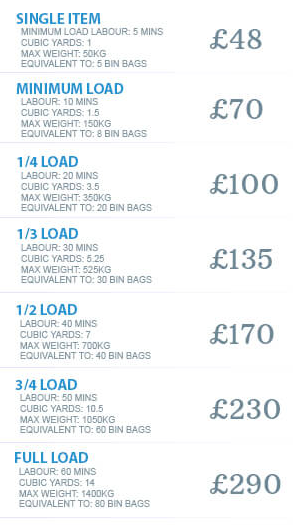
 Tipper Van - Rubbish Removal and Junk Disposal Prices in Docklands, SE16
 Luton Van - Rubbish Removal and Junk Disposal Prices in Docklands, SE16